Elon Musk Accuses Zelenskyy of Misleading Public Over Starlink and Starshield Restrictions
Tech mogul Elon Musk claims President Zelenskyy is 'lying' about satellite communication issues, asserting that the Ukrainian leader wants to use civilian Starlink for offensive military operations.
 🚨Events
Photo: TSN
Key points
- Musk claims Zelenskyy is lying about Starshield connectivity issues
- SpaceX limits Starlink speed to 80 mph to prevent offensive use
- Technical restrictions hinder Ukrainian interceptor drones reaching 300 km/h
A public dispute has erupted between SpaceX founder Elon Musk and Ukrainian President Volodymyr Zelenskyy over the operation of satellite communication systems in the war zone. The American billionaire accused the Ukrainian leader of spreading misinformation regarding terminal restrictions. According to Musk, Zelenskyy is intentionally blurring the lines between the civilian Starlink service and the military-grade Starshield system.
Distinction Between Civilian and Military Tech
During an interview at The New York Times DealBook summit, Musk emphasized that Starshield is under the full control of the U.S. government, with American military officials making decisions regarding its deployment. In contrast, Starlink is positioned as a commercial product for peaceful purposes. The businessman stated that he does not want to be responsible for decisions leading to loss of life, which is why SpaceX limits the use of the civilian network for offensive operations.
"He is lying. What he is actually saying is that he wants to use Starlink for offensive military operations," Musk stated when asked about Zelenskyy's claims of system disruptions.
Technical Limits and Their Impact
Musk officially confirmed the existence of data transmission speed limits for Starlink terminals. The set threshold is approximately 129 km/h (80 mph), which he claims corresponds to the maximum speed allowed on Ukrainian roads. The billionaire asserts that these settings have been in place since the start of the full-scale invasion and have not changed recently, despite complaints from the Ukrainian side.
- Speed limits of 161 km/h in occupied territories create significant obstacles for interceptor drones.
- Military experts note that losing video signal at high speeds makes drones vulnerable to enemy air defenses.
- The Ukrainian Ministry of Defense has contacted SpaceX, but the company attributes the issues to technical glitches rather than intentional blocking.
For his part, Volodymyr Zelenskyy called such restrictions "dangerous and political." He stressed that artificial speed reductions in temporarily occupied territories could be perceived as an indirect non-recognition of Ukraine's sovereignty over these lands. The situation remains tense as stable communication is critical for coordinating AFU actions across the entire frontline.
Source TSN — tsn.ua/svit/vin-breshe-mask-nakynuvsia-na-zelenskoho-cherez-zaiavy-pro-… ↗
Read next
 🧠AI Analysis
Winter approach: forecasters predict snow and daytime frosts across Ukraine
Ukraine is facing unstable weather this week with snow in most regions, rain in the south, and daytime frosts dropping to -6 degrees.
 🧠AI Analysis
Zhytomyr Announces Youth Essay Contest on Barrier-Free Urban Environment
An essay competition for youth aged 14 to 35 has been launched in the Zhytomyr community, focusing on inclusivity and equal rights.
 💡Tech
Samsung is testing a Dynamic Island-style interface for upcoming smartphones
Samsung is testing an updated Now Bar notification panel in early firmware for the Galaxy S27 series, relocating it to the center around the front camera.
 🛡️Security
Jet-powered 'Geran' drones: experts assess the threat of new modifications
Russian forces have begun deploying new jet-powered drones, which feature significantly higher speeds and destructive power compared to standard 'Shahed' models.
 🏙️City
Weather forecast for December 2026: what to expect in Zhytomyr
Climatologists predict a warmer-than-average December with predominantly positive temperatures and unstable snow cover.
 🎭Culture & Sport
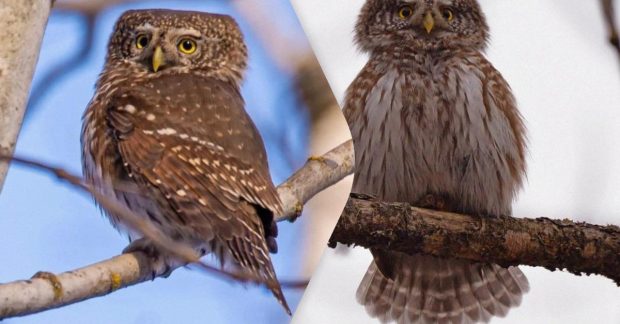
The smallest owl in Ukraine spotted in the Chornobyl Reserve
Researchers have documented the presence of the Eurasian pygmy owl, recognized as the smallest owl species in the country.